How to Use NeuroFlip for NEET-PG Revision: A Practical Guide
Neuroflip Team3 min read
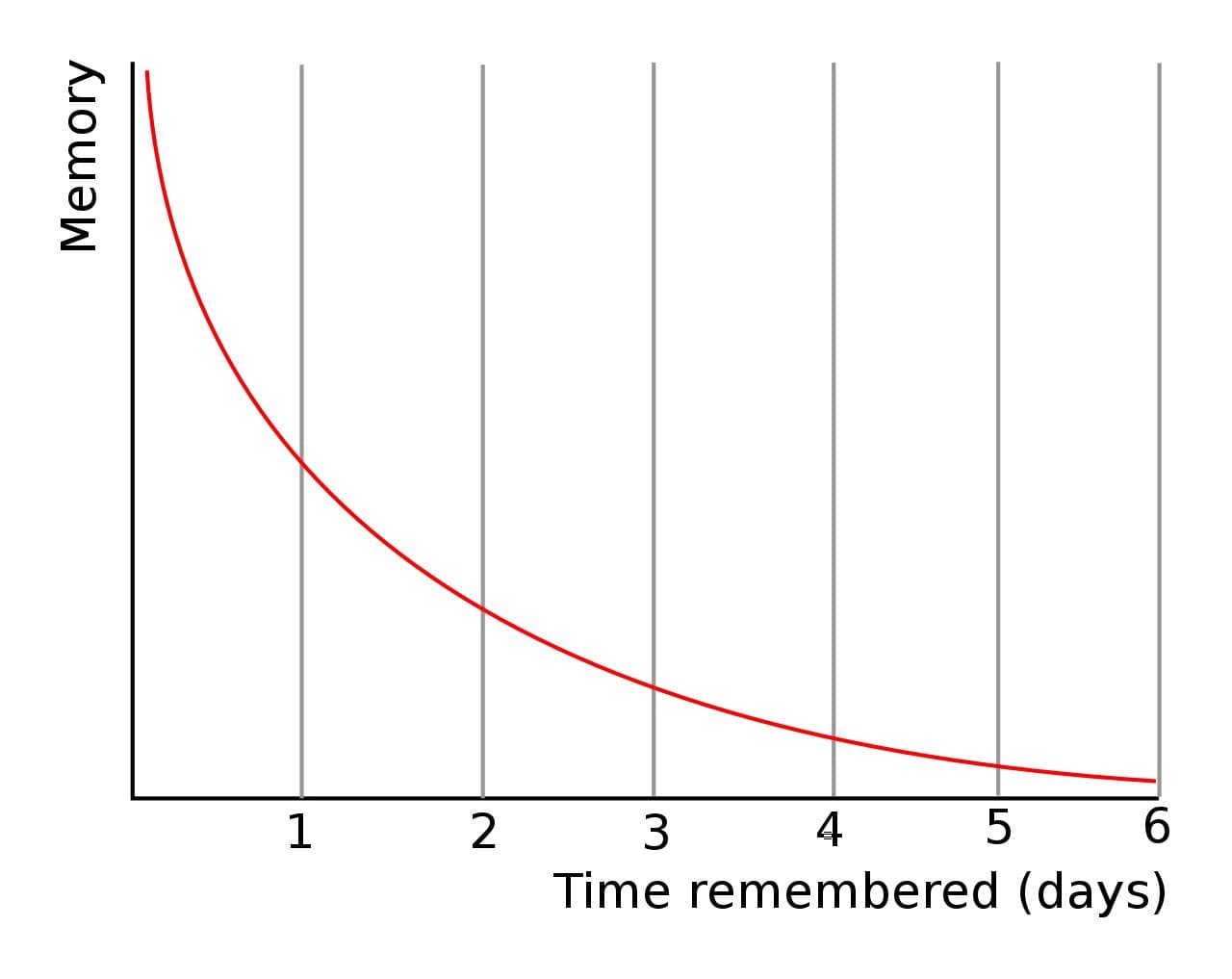
A revision app is useful only if it changes what you do when you sit down to study. For NEET-PG, the aim is not to collect more material: it is to retrieve important concepts accurately and notice what you still cannot answer.
This guide explains a practical way to use NeuroFlip as a revision aid, alongside your primary explanations, MCQ practice and mock-test review. Available screens and features may differ by app version or subscription.
Step 1: Start with a topic, not a card-count target
Choose one topic that appeared in a recent incorrect MCQ, a mock-test review or your study plan. Begin with the explanation or notes if you do not understand it. Then switch to a small set of related flashcards.
A manageable session is better than a large session you rush through. You do not need to complete a whole subject before testing recall.
Step 2: Try to answer before revealing the back
Read each flashcard question, pause, and give the answer from memory. Only then check the back. This matters because recognising an answer is not the same as retrieving it.
If your answer was incomplete, identify precisely what was missing: a definition, a discriminator, a sequence, a contraindication or an exception. Return to the underlying source for anything you cannot explain.
Research reviews find that practice testing and distributed practice are useful across many learning contexts, but they are not substitutes for understanding. See the Association for Psychological Science review of learning techniques.
Step 3: Give more review time to errors
After a session, make a short error list. Separate slips from genuine knowledge gaps. For a slip, another recall attempt may be enough; for a knowledge gap, open a textbook, trusted note or MCQ explanation before retrying.
If your version of NeuroFlip provides due-card reviews, bookmarks or progress indicators, use them to organise follow-ups. Do not assume a displayed mastery label proves that you could answer a differently worded clinical question.
Step 4: Connect recall to actual MCQ decisions
Flashcards are useful for rapid retrieval, whereas MCQs test interpretation, option discrimination and decisions under time pressure. A good sequence is:
- Learn or refresh a short concept.
- Answer related flashcards without peeking.
- Attempt a few mixed or clinical MCQs.
- Review why the wrong options are wrong.
- Return to the card or note that addresses the specific error.
For question-heavy exams, MCQ accuracy is the outcome to observe, not the number of flashcards you have flipped.
Step 5: Keep a realistic weekly review loop
On most study days, allocate some time to previously missed concepts, some to new learning and some to questions. Once each week, check whether the same errors are recurring. Change the revision order based on those errors, not on a fixed promise that every high-yield topic will appear.
NeuroFlip describes its topic prioritisation using historical examination questions. That historical signal can help you decide where to start, but it cannot predict the next paper.
Where NeuroFlip fits—and where it does not
Use NeuroFlip to prompt retrieval and keep short reviews convenient. Keep your reference notes for explanations, official examination information for the current rules, and MCQs or mock tests for exam-style judgement.
For choosing a revision order, read NEET-PG study priorities. For a review approach you can use when time is short, see the last-minute NEET-PG plan.
Next action: Choose one recently missed topic and complete one recall → MCQ → explanation loop today.